
About Chinese Medicine.
Chinese medicine is a complete system of medicine, just like bio medicine, only we look at the picture with different language and understanding.
In Chinese medicine, diagnosis is based on patterns - the underlying relationships between body systems - rather than isolated symptoms. Because symptoms often present across several systems at once, we look at how everything is connected.
From this perspective, treatment addresses the whole person, not just the presenting complaint. We draw on the tools and therapies listed below within a diagnostic framework unique to Chinese medicine, aiming to restore balance at the root as well as ease symptoms.
Acupuncture etc.
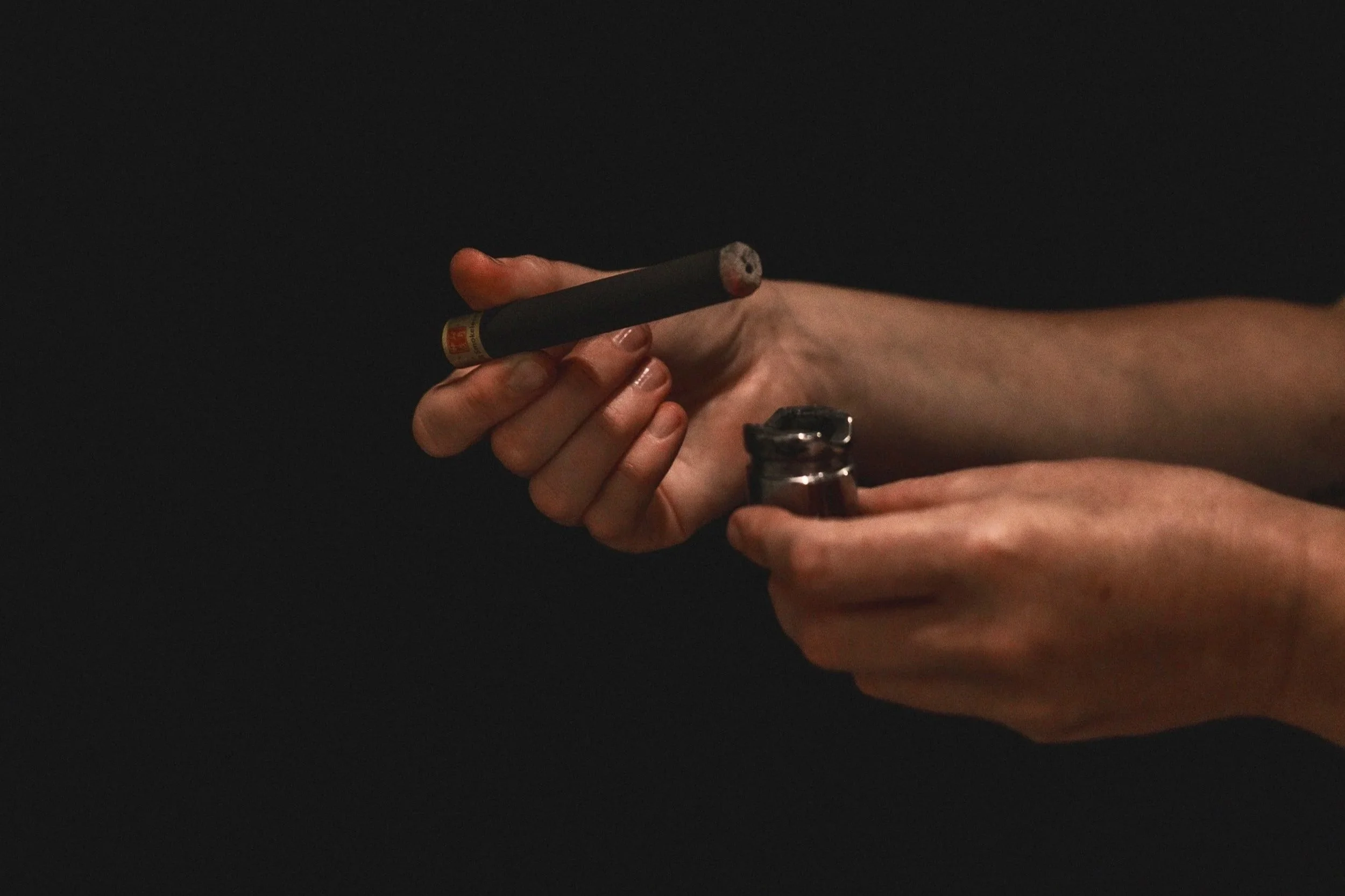
On the treatment table you will experience a combination of cupping, tui na (acupressure massage), acupuncture, acupressure with specialised press tacks or acupressure-point stimulating seeds (usually used on points in the ear), moxibustion, and/or heat lamp. Acupuncture is not scary. In fact most people are so relaxed they fall asleep on the treatment table and experience a little high after the treatment, which I dub the ‘acupuncture high’. After receiving treatments over time, you start to look forward to a little tune-up, usually for me is around the turn of each season (unless something more urgent turns up in the meantime).
Herbal Medicine.
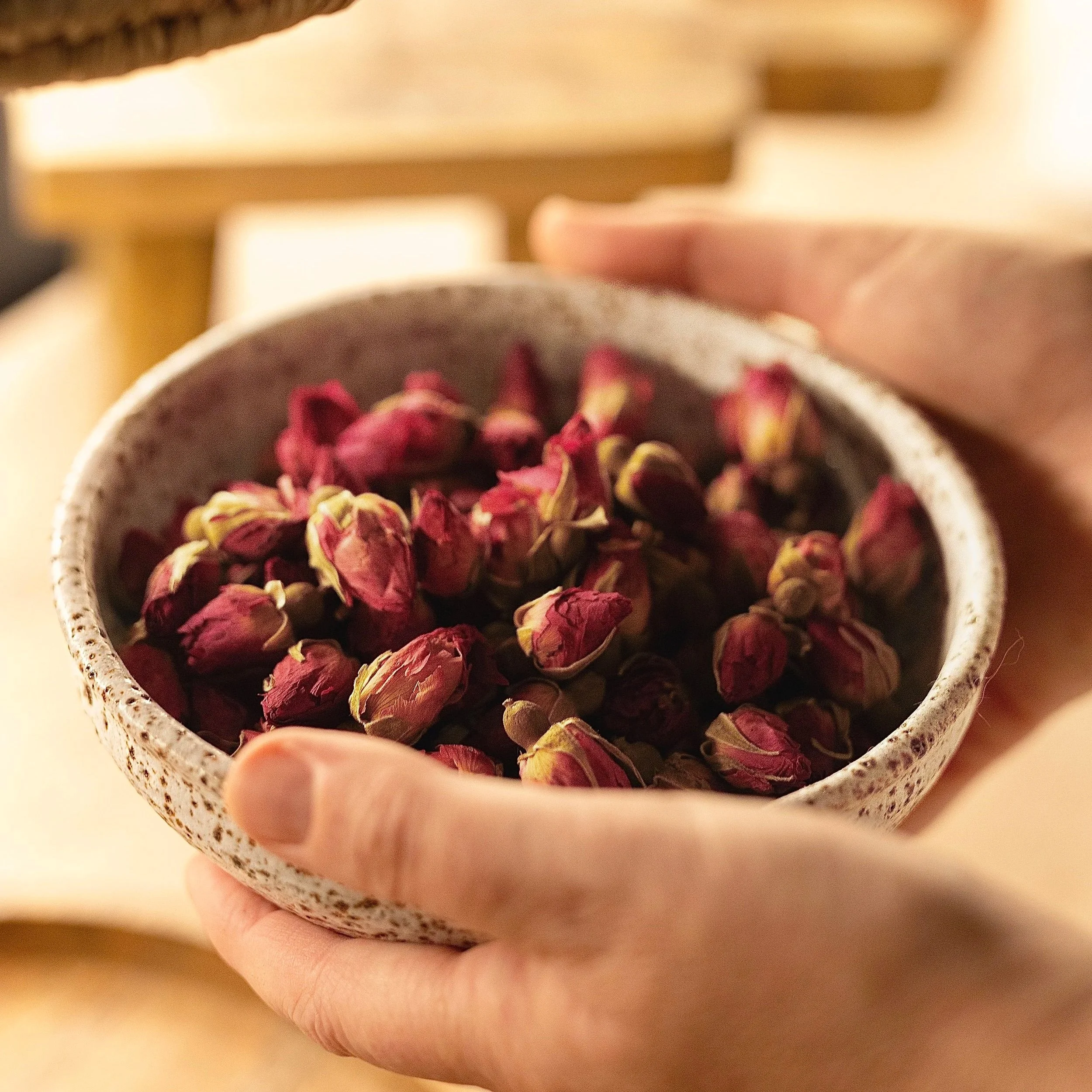
Chinese herbal medicine differs quite greatly to European herbal medicine. We have our own understanding of the actions and functions of herbs based on their properties and flavours and how that interactions with the organs to either warm them up, cool them down, clear excesses or tonify deficiencies. We do not dispense singular herbs, in fact the power of Chinese herbal medicine is in the powerful and intricate ways in which a formula is built to address patterns of disharmony. Sometimes herbs have to be prepared in a specific way to enhance actions based on the effect we want. The wonderful part of our herbal medicines is you get to touch, see, smell - and taste! - your medicine.
Food and Exercise.
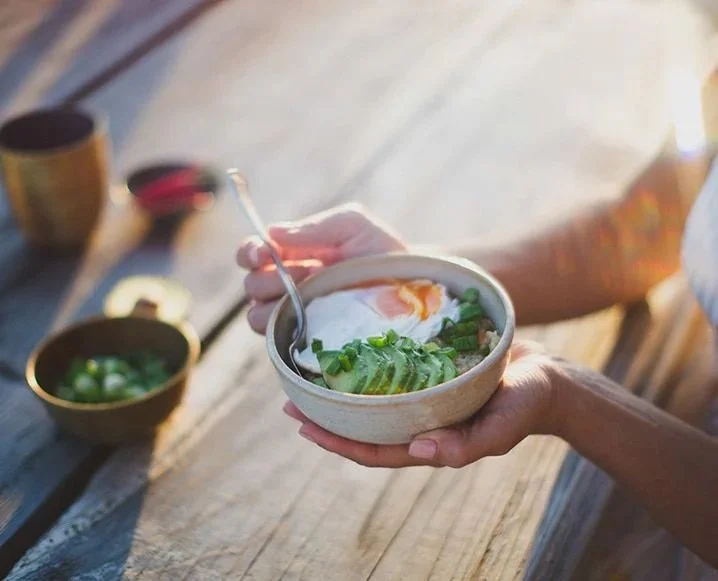
Like herbal medicines, foods carry properties which we can use to our advantage. Our diet therapy differs quite differently to that of modern conventional understanding. It’s not just what you eat, we focus greatly on how you eat to improve health and in order for the body to extract and utilise all those gorgeous nutrients.
We use exercises like Qi Gong to have a direct harmonising and benefitting action on the organs which in turn helps tone and strengthen the body and mind without depleting either. It is powerfully gentle and accessible by all bodies. The downfall is the exercises are so simple and achievable people discard them as unworthy!
Acupuncture and dry needling are often confused and with good reason! While both may involve the use of fine needles, they differ significantly in training, intent and clinical application.
Many other modalities “borrow” acupuncture from Chinese medicine but do so without the extensive training, experience, understanding involved in Chinese medicine (which is where acupuncture gets its superpower). Without this nuanced application it can fall flat, cause pain and discomfort and often diminishes the reputation and perception of our tool.
Acupuncturist, Acupuncture and Dry Needling - what’s the difference?
In Australia, “Acupuncturist” is a protected title and may only be used by practitioners registered with AHPRA in Chinese Medicine that have completed extensive tertiary education in acupuncture, traditional diagnostic methods, safety and clinical practice.
In a nutshell, only qualified and registered practitioners can used Acupuncturist. Any practitioner regardless of training can say they use acupuncture and dry needling.
For your safety and informed choice, patients seeking Acupuncture should always verify that their practitioner is registered with AHPRA under Chinese Medicine.
“Health is your greatest possession”
Lao Tzu, Founder of Taoism